Understanding Hypertension and Its Risks
Hypertension, commonly referred to as high blood pressure, is a chronic medical condition that significantly impacts overall health. It arises when the force of the blood against the artery walls is consistently too high, leading to potential complications. High blood pressure often develops over many years and may not present noticeable symptoms, thus earning the title of the “silent killer.” Understanding this condition is essential for effective management.
The prevalence of hypertension is a growing concern globally, affecting millions across different demographics. It is more common in adults, particularly those over the age of 45, but recent studies indicate rising rates among younger populations due to lifestyle factors such as poor diet and lack of physical activity. Moreover, certain ethnic groups, including African Americans, experience higher prevalence and severity of hypertension, emphasizing the necessity for tailored management strategies within diverse communities.
Unmanaged hypertension poses significant health risks. Over time, elevated blood pressure can lead to severe complications, including heart disease, stroke, and kidney damage. The heart works harder to pump blood against higher pressure, leading to weakened arteries and an increased risk of cardiovascular events. Additionally, hypertension can cause damage to the kidneys, resulting in chronic kidney disease or even kidney failure. Therefore, recognizing hypertension as a serious condition that requires continuous monitoring and proactive management is crucial.
In light of these risks, individuals are encouraged to adopt regular blood pressure checks and implement lifestyle modifications, such as a balanced diet, regular exercise, and stress management techniques. A comprehensive understanding of hypertension not only aids individuals in managing their condition but also encourages preventive measures that can avert severe health complications. It is one of the most common conditions treated in pharmacies every single day. Yet many people leave the pharmacy believing that medication alone is enough.
The truth?
Medication helps—but daily habits at home determine long-term control.
As a pharmacist, I’ve seen patients take the “right” medication and still struggle with uncontrolled numbers because they’re missing a few critical essentials. If you or a loved one is managing hypertension, these three at-home strategies can make a powerful difference.
1. Accurate Home Blood Pressure Monitoring
You cannot manage what you don’t measure.
Home blood pressure monitoring is one of the most effective tools for controlling hypertension—but only when done correctly.
Why home readings matter
- They reflect your real daily blood pressure, not “white-coat” readings
- They help your healthcare provider adjust treatment accurately
- They reveal patterns related to stress, food, sleep, and activity
How to check your blood pressure properly
- Use an upper-arm cuff (more reliable than wrist devices)
- Sit quietly for 5 minutes before measuring
- Keep feet flat on the floor, back supported
- Measure at the same times daily (morning and evening)
- Avoid caffeine, exercise, or smoking 30 minutes prior

- [High Precision & Reliable] Runstar has collected clinical data from tens of thousands of hypertensive patients and cond…
- [One Press to Know Your Health] With just a single press, runstar blood pressure machine can give you detailed readings …
- [Large & Loud for Seniors] Runstar Upper Arm BP Monitor is user-friendly for seniors, featuring an ergonomically designe…
💡 Tracking your readings in one place helps you notice trends—not just isolated numbers.
👉 Tip: A blood pressure logbook or digital tracker keeps your data organized and makes doctor visits more productive.
2. Food & Sodium Awareness (Without Extremes)
Many people believe managing blood pressure means cutting salt completely. In reality, it’s about awareness and balance, not restriction.
Common hidden sodium sources
- Packaged sauces and dressings
- Bread and processed grains
- Canned soups and frozen meals
- “Healthy” snacks like crackers and wraps
What helps lower blood pressure naturally
- Increasing potassium-rich foods (avocado, beans, leafy greens)
- Choosing whole foods over ultra-processed options
- Cooking at home when possible
- Reading labels—not just the front of the package
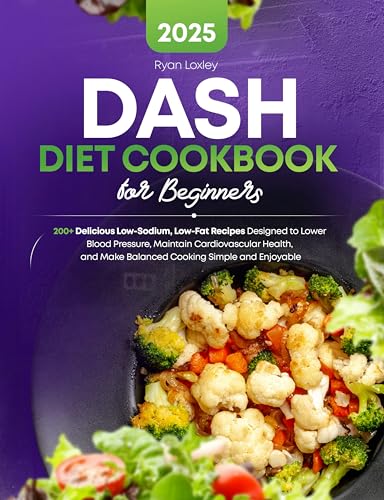
A DASH-style eating pattern (Dietary Approaches to Stop Hypertension) has been shown to lower blood pressure even without medication changes.
💡 You don’t need perfection—just consistency.
3. Stress, Sleep, and Daily Consistency
Blood pressure is not just physical—it’s hormonal.
Stress hormones like cortisol and adrenaline can cause blood pressure to spike, even if your diet and medications are on point.
Simple lifestyle habits that matter
- Sleep: Aim for 7–9 hours; poor sleep raises BP
- Stress management: Deep breathing, prayer, journaling, walking
- Movement: Light daily activity is better than intense workouts once a week
- Routine: Consistency keeps blood pressure stable

- Feel balanced every day – Designed to help you reconnect with calm and clarity. Magnesium supports your body’s natural r…
- Gentle, effective, and kind to your body – Each capsule combines Glycinate and L-Threonate forms, known for being highly…
- A ritual for your wellbeing – Just one capsule a day to support relaxation, focus, and energy balance, making it easy to…

- DAILY HEALTH MONITORING – This blood pressure log book enables record your daily blood pressure, heart rate and medicati…
- EASY TO RECODE – Use this blood pressure journal allows 4 entries per day, morning, afternoon, evening, and night; Keep …
- HIGH QUALITY – This blood pressure notebook log size of 5.8″ x 8.5″, just the perfectly size to fit in your backpack, pu…
Many patients are surprised to see lower readings after improving sleep or reducing daily stress—even before medication adjustments.
Putting It All Together
Managing hypertension goes far beyond picking up a prescription.
The most successful patients:
✔ Track their blood pressure consistently
✔ Pay attention to sodium and food quality
✔ Protect their sleep and manage stress
When these three essentials work together, blood pressure becomes more predictable, stable, and manageable.
When to Seek Professional Help and Support Resources
Managing hypertension at home provides individuals with a sense of independence; however, there are critical times when seeking professional medical assistance is essential. Individuals are encouraged to consult a healthcare provider if they experience symptoms such as severe headaches, shortness of breath, chest pain, or noticeable changes in vision. These symptoms can signify potential complications associated with high blood pressure, warranting immediate medical attention to prevent serious health risks.
A routine check-up with a healthcare professional is also advisable, particularly if lifestyle changes and home monitoring fail to yield positive results. If there is a marked increase in blood pressure readings despite consistent efforts to manage them, this may indicate the need for a reassessment of one’s treatment plan. Notably, each individual’s hypertension management journey differs; hence, maintaining open communication with healthcare providers is crucial for optimal care.
In addition to professional help, various support resources are available for those managing hypertension. Hypertension support groups are worthwhile options, offering individuals the chance to connect with others facing similar challenges. These groups can provide emotional support and practical advice rooted in shared experiences. Online communities and forums dedicated to hypertension currently thrive as invaluable platforms for sharing information, coping strategies, and encouragement among members.
Moreover, educational programs on blood pressure management can further enhance one’s understanding of the condition. Many organizations, including local health departments and non-profits, offer resources ranging from workshops to printed materials that equip individuals with knowledge regarding the latest treatment options and lifestyle modifications. Utilizing these support resources alongside medical care can significantly impact one’s ability to manage hypertension effectively.